Politics of Poverty
Ideas and analysis from Oxfam America's policy experts
 Politics of Poverty
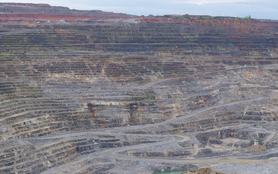
To protect US mineral supply chains, Congress must get serious about social and environmental standards. Here are three reasons why.
The US government is increasing support for mining through new country partnerships and proposed legislation. Without requiring strong standards to reduce environmental and social risks, these efforts will fail to promote the reliable supply chains they seek to secure.
 Politics of Poverty
Moving from ‘Localisation’ to Building More Locally-Led Aid Ecosystems
Moving the focus of aid delivery from the perceived centres of power in the Global North to what have always been the centres of action in the Global South will take more than ‘localisation’ as it is practiced today. It will require supporting the diverse and multiple locally-led aid ecosystems that actually deliver on the ground.
 Politics of Poverty
Don't Let Trump's SEC Do Bezos' Dirty Work: Amazon Capitalizes on New Rules at the SEC
Amazon is capitalizing on the SEC’s extreme rightward shift under the Trump administration – and pensioners, workers, and planet will pay the price.