By delaying implementation of the 2024 U.S. EPA Methane Standards, the EPA makes another move that puts communities and the planet at risk from harmful pollutants
By delaying the Environmental Protection Agency’s (EPA) methane rule, the current administration is unnecessarily risking the public health of American citizens. In order to avoid irreversible damage to our ecosystem, especially among disenfranchised communities, the U.S. should not postpone cost-effective measures to cut methane emissions.
This July the EPA sent a proposal to the White House that would delay the implementation of the 2024 EPA methane rule. In addition, this proposal would offer oil and gas companies an extension for compliance deadlines. On November 26th of this year, the EPA finalized this rule change, locking in these harmful delays.
The EPA methane rule is a crucial step toward reducing climate pollution and protecting public health. Methane is a potent greenhouse gas— “more than 80 times more powerful than carbon dioxide in the short term”, according to Rosalie Winn, Director of the Environmental Defense Fund (EDF). Methane emissions are often accompanied by other dangerous pollutants. If we don’t address methane now, we lose one of the fastest and most cost-effective opportunities we have to slow global warming. According to the Breathing Easy Report by the Environmental Protection Network, “the [EPA] regulations passed during the past four years will save over 200,000 lives through 2050, prevent over 100 million asthma attacks, and deliver over $250 billion in net benefits annually”. This is a choice between manageable climate impacts and irreversible damage.
Oxfam America is committed to ending poverty and inequality. We understand the impact that federal climate policy has on millions of people facing climate disasters, extreme heat, and food scarcity. As the world’s largest methane emitter from oil and gas, according to the International Energy Agency, the US has a responsibility to change course.
Most Americans Agree
The EPA methane rule was a historic step in the right direction. This rule is grounded in common sense and enjoys widespread support across political and geographic lines. It reflects basic values: protecting our air, our health, and our climate. It is not extreme or controversial—it is a practical, science-based measure that the vast majority of Americans agree with. According to the Pew Research Center, 67% of Americans feel that the U.S. should increase efforts to protect air.
Public Health & Frontline Communities
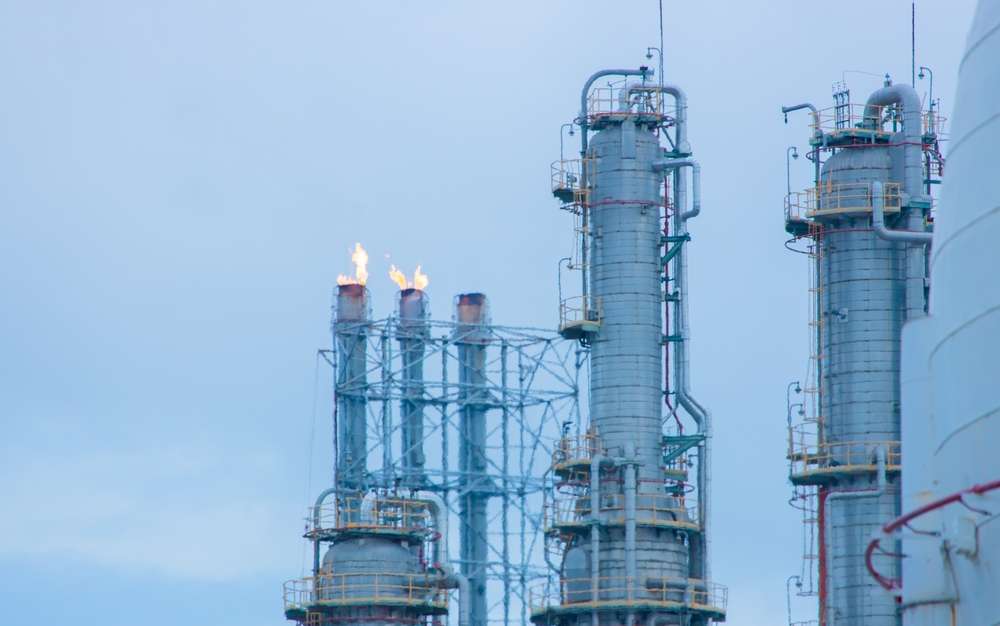
According to a 2025 EDF report, communities living near oil and gas operations, primarily low-income or people of color, “bear the brunt of these harms”. This rule offers crucial protection for people who have been overlooked in these conversations—largely due to lack of social capital. Furthermore, the public health stakes are urgent. Methane is often released alongside Volatile Organic Compounds (VOCs) and hazardous air pollutants, which are carcinogens. According to the National Library of Medicine, people living near oil and gas infrastructure experience disproportionate exposure to these pollutants, and for disenfranchised communities, this means exacerbated health disparities. The result is higher rates of asthma, low birth weights, cardiovascular disease, and even premature death. The EPA methane rule will require Leak Detection and Repair (LDAR), phase out outdated equipment, and limit flaring (burning of vented natural gas). These are critical steps toward protecting Black, Brown, rural, and low-income communities.
Stakeholder Support
This rule does not exist in a vacuum. It furthers over ten years of technical progress and regulatory experience at the state level. States like Colorado, New Mexico, and Pennsylvania have already implemented strong methane standards. Clearly, local industry leaders understand that LDAR programs save money and create jobs. Many of the largest oil and gas producers—including Shell and BP—have expressed support for federal methane regulations. The EPA methane rule reflects best practices already in use today. This rule does not request that the industry do the impossible. However, it requires the industry to do better with resources that are available.
This rule is also broadly supported by the American public. According to the Global Methane Hub, a nationwide poll found that 75% of Americans support strong federal action to limit methane emissions from oil and gas operations. That support is widespread across the parties. Democrats, Republicans, and Independents agree on the need for action. Methane pollution has its consequences, which touch everyone, including wildfires, an increase in heatwaves, higher rates of asthma, and unsafe air quality. It is fairly easy to see the reasons that this issue resonates across parties and demographics.
Honoring Democracy
Public engagement on this matter has been historic. According to the National Archives, when the rule was initially proposed, more than a million comments were submitted in support. This unprecedented level of civic engagement demonstrates the significance of this rule to the American public. A wide variety of stakeholders weighed in, including state and local governments, businesses, indigenous nations, and thousands of more individuals. The U.S. government has a legal and moral obligation to respect their voices. By further delaying implementation, this betrays democracy. According to a 2021 United Nations report, this inaction also contradicts the scientific consensus that we need immediate methane reductions to avoid worst-case climate scenarios.
Delays also hurt the very people this rule is designed to protect. According to the EDF, every year of delay equates to thousands of tons more methane entering the atmosphere. That means more children developing asthma, more seniors struggling with respiratory illness, and more climate damage that will cost billions to clean up later. Many companies, including ExxonMobil, BP, and Shell, have already invested in the technologies needed to comply. Pushing the deadline benefits only those trying to delay the inevitable—and punishes responsible operators who have already stepped up.
For these reasons, we oppose delay to the EPA methane rule compliance deadlines.


 via feedly