As the global population heads toward nearly 10 billion by 2050, global protein demand is projected to surge by 50%. The consequences for people and planet will be profound—and without changes, they will deepen already stark inequalities. Meeting this demand while confronting environmental pressures and public health challenges requires a fundamental re-thinking of how we produce and consume protein. The United States—one of the world's largest beef producers and consumers—sits at the center of this transformation and is uniquely positioned to learn from international models and lead a meaningful protein transition.
The EAT-Lancet Commission’s latest report on planetary health found that eating plant protein could prevent 15 million premature deaths. The report recommends limiting annual red meat intake to 14 grams per day. However, Americans consume six to eight times this amount, and a growing body of evidence suggests that it puts them at a much higher risk of health problems.
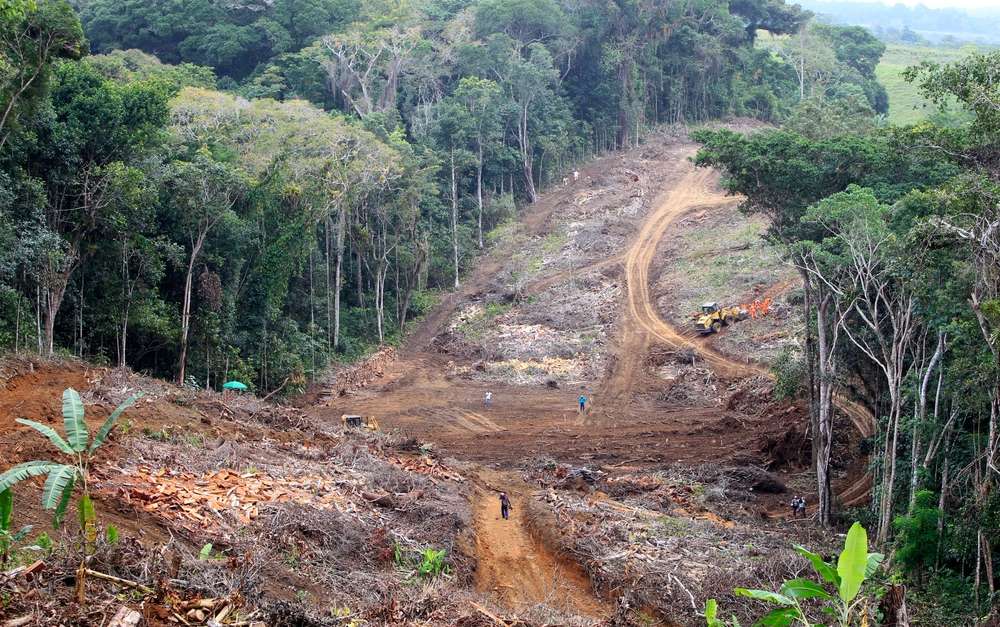
The toll on the planet is equally stark. In the United States, livestock production accounts for approximately 4% of total national greenhouse gas emissions, nearly 80% related to cattle. Beef production is also highly water intensive and requires 1800 gallons of water per pound while generating nearly 50 pounds of carbon dioxide equivalent emissions. The livestock industry is a significant driver of global deforestation, loss in biodiversity, soil degradation, and water pollution. For example, conversion of land for cattle grazing and feed production accounts for more than 40% of world’s deforestation.
The impacts described above—on human health and on the planet—are not experienced equally, and that is precisely what makes the stakes so high. Within the United States, diet-related diseases linked to red meat overconsumption fall hardest on lower-income and minority communities that have the least access to affordable, nutritious alternatives. Globally, inequity runs in the opposite direction: while high-income nations consume animal protein at rates far exceeding health or environmental thresholds as shown above, the world's poorest populations often lack sufficient protein of any kind. Low-and middle-income countries will house nearly 90% of the global population by 2050, yet it already bears the brunt of climate and environmental damage driven by high-income country consumption. FAO projects that global meat production will need to rise by nearly 70% by 2050 to meet that demand—a path that would strain land, water, and climate systems that the world's most vulnerable people depend on. If consumption patterns remain unchanged in high-income countries, these inequalities—in health outcomes, in environmental burden, and in food security—will only compound.
The good news is that viable pathways already exist—several countries have shown the way. European retailers have developed market-based approaches that demonstrate viability, though the current US context presents distinct challenges given differences in political landscape, subsidy structures for livestock, and corporate concentration in the beef sector. In the Netherlands, for example, most major retailers have committed to protein transition. For example, Ahold Delhaize set a target of 50% by 2030 for all its European retail brands, and subsidiary Albert Heijn, largest supermarket retailer in the Netherlands, raised its ambition to 60%. Germany, Denmark and the UK have also demonstrated that retail commitments, policy support, and investor engagement can help to accelerate protein diversification.
The US is not merely a bystander to these trends—it can potentially contribute towards reversing them. As the world’s largest beef producer and consumer, the United States has an outsized ability to reshape markets, influence dietary norms, and demonstrate that economic ambition and ecological responsibility need not be in conflict. By learning from European successes and applying them, the US can help to change protein demand, protecting the health of its own citizens and the stability of the planet. Achieving meaningful protein diversification requires efforts across retailers, investors, and policymakers.
If there is one lesson to be learned from successes to date, it is that achieving meaningful protein diversification requires efforts across retailers, investors, and policymakers. First, retailers must utilize their latitude to lead. They should adopt protein transition targets establishing accountability for product mix such as those adopted in several European countries. Strategic pricing and placement initiatives can also help remove barriers to consumers while maintaining choice. Second, leveraging investor engagement channels to push food manufacturers to diversify their protein portfolio can be helpful. Finally, policymakers should create enabling conditions through subsidy reform, among other ways. To date, federal agricultural subsidies in the US have disproportionately supported livestock producers with minimal investment in plant-based protein infrastructure in the US. This must change. Moreover, federal nutrition programs should incorporate protein diversification into its own goals while more funds need to be directed towards alternative protein research.
Change on this scale will be nonlinear. Some stakeholders will move faster than others. Some will experience setbacks. If retailers, investors, and policymakers persist, however, then change will most certainly come. It already has in parts of the world. The benefits to people and planet – to a healthier and more equal future – could not be clearer.


 via feedly