On September 1, after 4.5 years, Oxfam ended its operational presence in Ukraine and shifted to a remote strategic engagement. Oxfam America's President and CEO Abby Maxman reflects on the response, including its origins, foundational components, and what Oxfam has learned from the experience
There are dates that are seared into my consciousness – one of those is February 24th, 2022, which marked Russia’s most recent invasion of Ukraine.
As humanitarians, these moments are more than historical landmarks; they are visceral timestamps that often serve to foreshadow the consequences of protracted conflict and war. They upend lives and livelihoods, dignity, rights, peace and security; invariably challenging international humanitarian law, human rights conventions and norms, and humanitarian practice.
Oxfam did not have an operational presence in Ukraine before Russia's invasion in February 2022. For organizations like ours, the invasion forced a set of urgent decisions that cut against agreed plans, priorities, and principles, and strained decision-making across a complex global confederation. Those decisions required us to weigh competing demands — our humanitarian mandate, organizational stretch, capacity, and resourcing; media attention and neglected crises; local humanitarian leadership; and our role in a country where we were not operational — several of which pulled in opposite directions. In those harrowing first days and weeks, we struggled.
As hard as the initial decision-making process was, it shaped Oxfam's response to the Ukraine crisis, both in Ukraine itself and in Poland, Romania, and Moldova. It led to intentional decisions about what we would do, how we would do it, and how we would use this moment to test what a fully partner-led response to a large crisis — a conflict, no less — could look like. Our aim went beyond direct delivery: we asked what we could enable and contribute to, how we could apply ongoing reflection and time-bound commitments to both our entry and our exit, and how we could learn and share insights with the sector. Early decisions about the funding we would pursue created an opportunity to build a response in which what we did and how we did it were defined not by us, but by local partners confronting a country at war and an influx of international organizations.
We were determined to offer a different approach, one that allowed time for deeper listening, learning, and partnering, and that at times challenged the longstanding use ofspeed and scale as the key markers of an effective, accountable humanitarian response.
We deliberately partnered with organizations that were filling critical gaps in support of marginalized communities, including women, Roma, and LGBTQIA+ people. A recent external learning review found that over the course of the program, our focus on local humanitarian leadership deepened, as did our support for partners' influencing capacity, access to funding, and leadership. Oxfam's roles included influencer (under feminist principles), connector and broker, enabler, accompanier, and learner. We worked at the intersection of what the wider humanitarian system needed, what our partners prioritized, and what Oxfam could offer. And we honored the reality that “reach” isn't just about numbers — it's about whose needs are met, which communities are reached, and whether rights and dignity are protected. That meant going to harder-to-reach places on the front lines and supporting more dispersed communities. It also meant supporting partners who were pivoting to meet critical emerging needs in their communities, even as they sought to hold onto their identities and to one day return to their rights-focused foundations.
Against that backdrop, I fast-forward to the present. Yesterday marked a milestone in Oxfam's four-and-a-half-year humanitarian response to the conflict in Ukraine: the last day of our physical presence in the country.
The war and its terrible consequences rage on – but our role is changing by design.
As of today, Oxfam is shifting to a model of remote strategic engagement in Ukraine. Our priorities will be continuing to influence, supporting partners to access funding, and learning — all with the goal of helping our strategic partners respond to the humanitarian needs and rights of communities affected by the war. Alongside our continued work with six partners ( Women’s Consortium Ukraine, The Tenth of April, Voice of Romni, Gay Alliance Ukraine, Rokada, and Peaceful Heaven of Kharkiv),we will keep supporting the Women's Humanitarian Leadership Fund, which provides flexible, trust-based funding to women's rights organizations. Importantly, this strategy reflects what our partners told us would be most useful to them.
Though we had long talked about what "post-presence" work might look like, this is the moment to put it into practice. A shift like this would not have worked at the outset. But four and a half years in, with robust partnerships in place and a deeply intentional learning journey underway, it is the right next step for how we partner — and a potential model to adapt in other contexts.
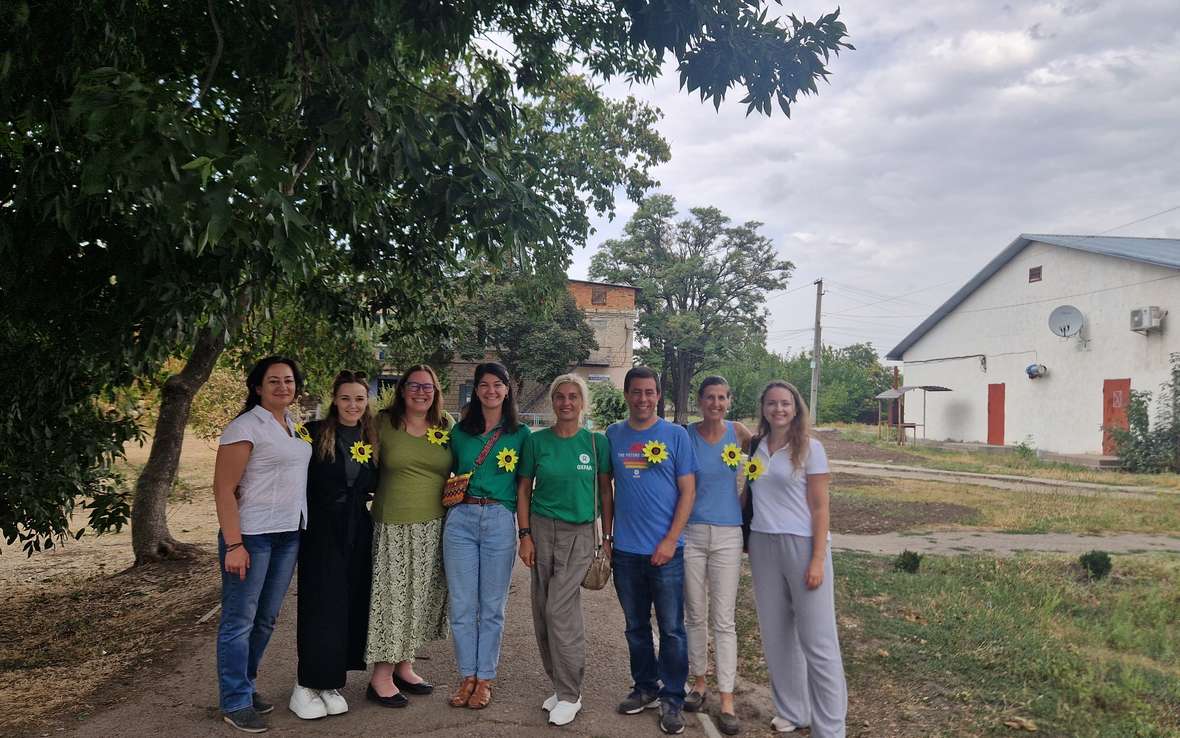
This moment feels bittersweet: I’m immensely proud of the strong, impactful work of Oxfam and our partners, including partner organizations I met during a trip to Ukraine almost exactly 2 years ago. We remain deeply concerned about the ongoing conflict and its impacts on the civilian population. And I’m excited to see and support in new ways the work that our partners will continue to do, both with and apart from Oxfam.
We are grateful to our strong team and partners. We have learned a great deal from our program in Ukraine - about Oxfam’s added value, and about the importance of asking our partners what our ideal role, presence, partnership, influencing, and responsible exits should look like.


 via feedly