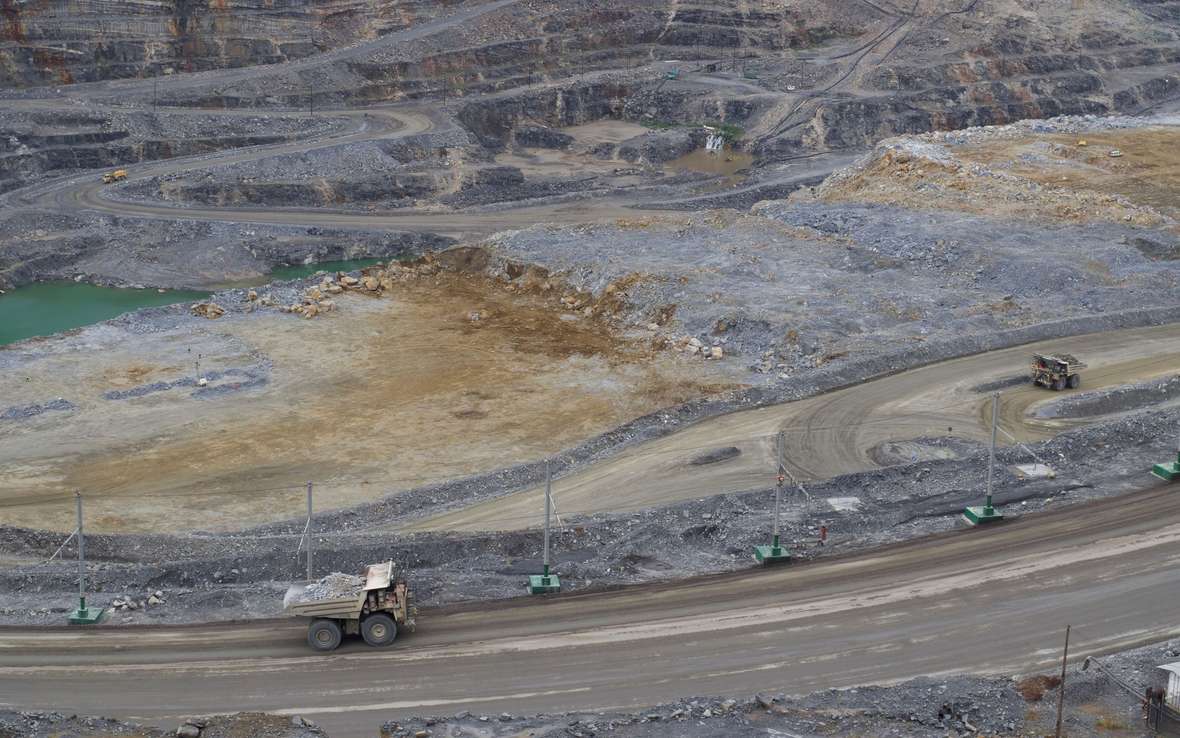
Zambia’s mining sector is entering a defining moment
This month, the brownfield portion of the Lobito Corridor project reached its financial close, unlocking US$753 million to modernize the railway connecting Zambia’s Copperbelt to Angola’s Atlantic coast. The project promises to lower transportation costs, attract new mining investment, and strengthen Zambia’s role in supplying the copper the world needs for the global energy transition. With Zambia heading into a presidential election on August 13, the Corridor offers an early opportunity for the country's next leaders to demonstrate that this new wave of investment will be governed transparently and accountably, helping strengthen oversight across one of Africa's most strategically important mineral supply chains.
Transparency also helps ensure that new mining investments are developed responsibly, allowing governments, communities, and investors to identify environmental impacts, monitor social commitments, and hold companies and financiers accountable for adherence to environmental and human rights standards and regulations throughout the life of the project. However, as the Extractive Industries Transparency Initiative (EITI) recent report on the Lobito Corridor warned, “Weak transparency, limited coordination and unclear rules across mining, transport and infrastructure can undermine investment, delay implementation and reduce domestic value capture.”
The Lobito announcement comes as Zambia continues to attract growing international attention for its vast copper reserves and ambitious plans to expand production. For a country seeking to translate its mineral wealth into lasting economic development, the opportunity is enormous.
Last year, Oxfam argued that Zambia’s energy transition would only benefit local communities if transparency kept pace with investment. As investment accelerates, citizens need stronger tools to understand the agreements governing their country’s natural resources. Otherwise, Zambia risks squandering a once-in-a-generation opportunity to ensure its copper wealth delivers lasting benefits for its people, rather than simply leaving behind depleted deposits and unfulfilled promises.
Has Zambia put the transparency measures in place to ensure that citizens can scrutinize the deals shaping this new mining boom? According to the country's latest EITI Validation, not yet.
Zambia’s latest Validation under the EITI Standard found that the country has yet to fully implement one of the most important transparency reforms available to citizens: public disclosure of mining contracts and licenses.
Mining contracts establish the rights companies receive, the obligations governments negotiate, and the commitments that should ultimately benefit citizens. They determine issues ranging from fiscal terms and environmental obligations to infrastructure commitments and dispute resolution. Without public access to those agreements, it becomes far more difficult for citizens, journalists, parliamentarians, researchers, and affected communities to determine whether mining projects are delivering on their promises.
This is why Zambia’s latest EITI Validation deserves attention.
The Validation awarded Zambia an overall score of 81 (“very good”), reflecting continued progress across many areas of extractive sector governance. On contract transparency (Requirement 2.4), however, Zambia received a score of 50 (“limited”).
What the EITI Validation reveals is that while Zambia made an encouraging start it has not yet followed through by systematically disclosing the full range of contracts, amendments, annexes, and related agreements envisioned under the Standard.
The EITI Board’s recommendations provide a clear roadmap. They recommend that Zambia ensure the public disclosure of all licenses granted, entered into or amended from 1 January 2021 or publish the license template model and the full set of annexes of every license. It also calls on Zambia to publish a comprehensive inventory of active licenses, clarify the government’s policy on disclosure, explain any legal barriers to publication, and make Memoranda of Understanding between the government and mining companies publicly accessible. For payments to governments disclosures, it called on Zambia to adopt a clear definition of what constitutes a "project," including groups of interconnected licenses, and to ensure that all extractive payments are systematically disclosed by project, company, government entity, and revenue stream.
These recommendations are not about improving an international scorecard. They are about ensuring that citizens can independently examine the agreements governing Zambia’s mineral wealth and hold both governments and companies accountable for the commitments they make.
Whoever forms Zambia’s next government after the August 13 election will inherit extraordinary opportunities created by global demand for copper and the country’s growing role in the energy transition. They will also inherit an unfinished transparency agenda.
Completing the implementation of contract disclosure should be one of that government’s priorities. Doing so would send a powerful signal that Zambia intends to compete not only on the strength of its mineral resources, but also on the strength of its governance.
As Nsama Chikwanka, the National Director of Publish What You Pay Zambia says, “Transparency is not about satisfying international reporting requirements or improving scores on global assessments. It is about giving citizens, communities, and Parliament the information they need to participate meaningfully in decisions about the country's natural resources. As demand for Zambia's copper continues to grow, so too must public confidence that the benefits of that growth are being managed openly, fairly, and in the public interest.”
The world is watching Zambia’s mining sector. The country’s next government has an opportunity to show that it intends to lead not only in copper production, but also in the transparent and accountable management of the resources that will shape Zambia’s future.

 via feedly