Recent developments in the conflict in eastern DRC have created a rapidly worsening humanitarian crisis
“How do we explain that war continues, but the world looks away?” Oxfam’s Fatma Jaffar shares insights from a conversation with Marcelline Budza, a feminist humanitarian leader from the Democratic Republic of Congo (DRC), on life under siege and what is possible when local women lead, and partnerships are grounded in trust, equality, and solidarity.
On the frontlines of crisis: Women leading in eastern DRC
Recent developments in the conflict in eastern DRC have created a rapidly worsening humanitarian crisis. As of early 2026, over 5.28 million people are internally displaced, while 26.6 million face acute food insecurity, one of the highest levels globally. At the same time, the country is battling its worst cholera outbreak in 25 years, with over 64,000 suspected cases and more than 1,800 deaths reported in 2025, alongside rising mpox infections and other disease outbreaks. On 13 July, the World Health Organization describes the Bundibugyo Ebola outbreak in DRC and Uganda as the “fastest-growing Ebola outbreak on record” with about 1,926 confirmed cases and 702 confirmed deaths in DRC, spreading across the broader eastern side of the county.
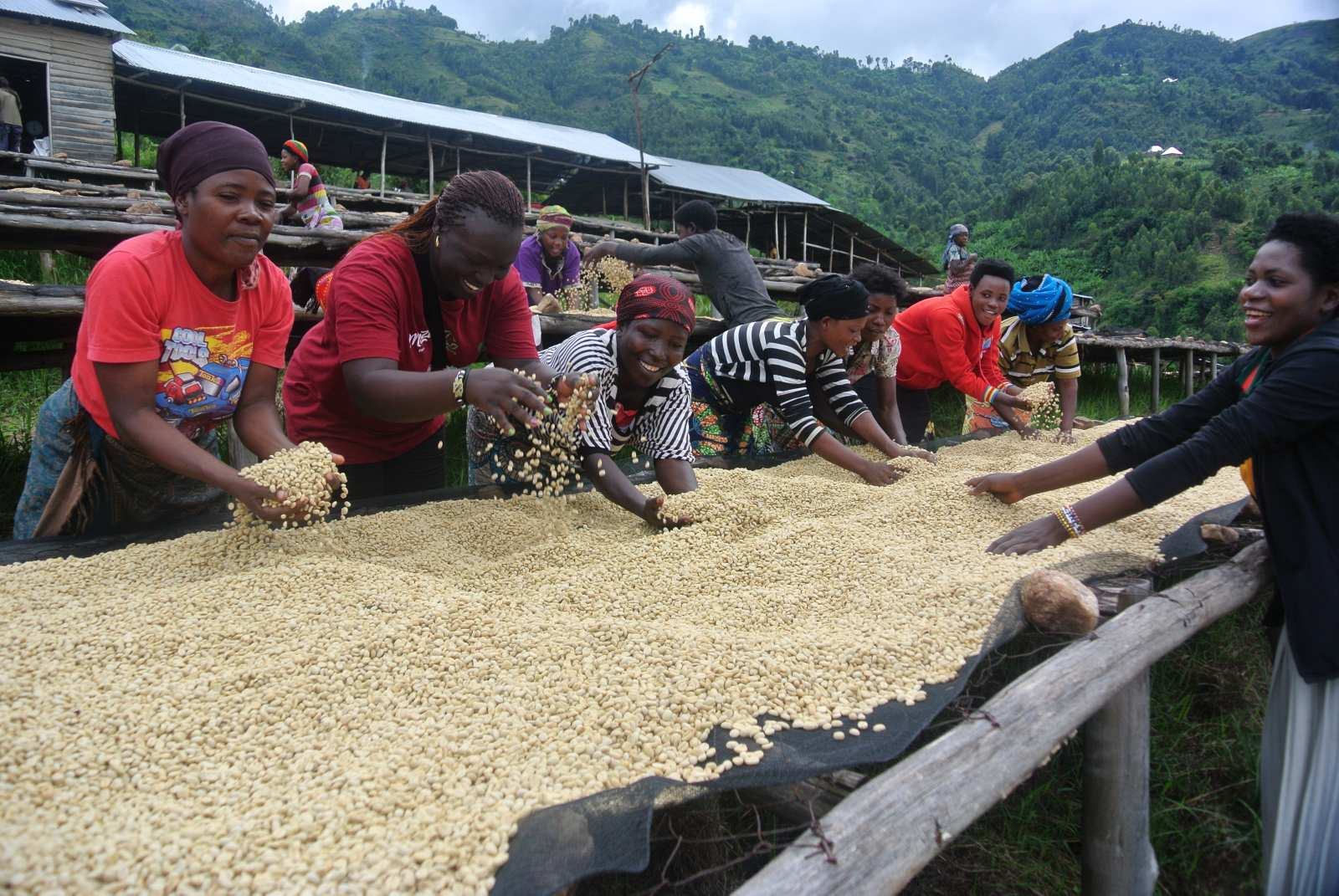
At the heart of this struggle stands Marcelline, founder of Rebuild Women’s Hope (RWH), a women-led organization, working at the frontline of both survival and transformation. RWH is a cooperative led by women coffee farmers in the DRC, working to transform the lives of Congolese women in rural communities by supporting coffee production and their women members’ social and economic wellbeing.
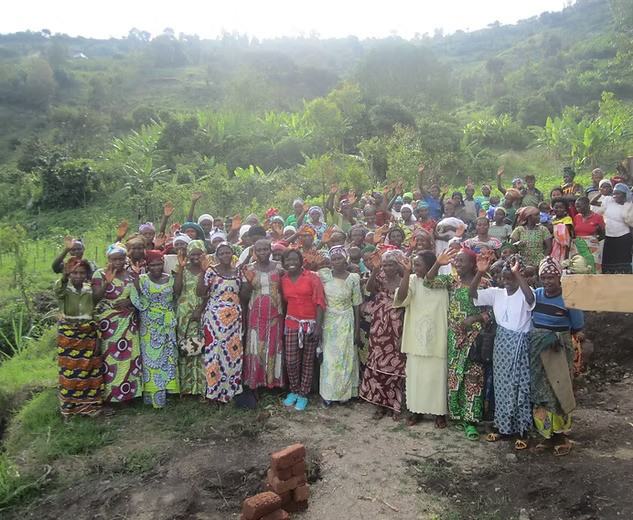
When donors abruptly walk away, dreams are broken
Funding shortfalls have further constrained the response, with humanitarian actors currently able to reach only around 7.3 million people out of nearly 15 million in need in the DRC. All of these challenges are leaving local organizations to shoulder an increasing burden amid escalating violence and displacement.
Marcelline’s organization received donor support in 2024 to build a women’s shelter, a rare space of dignity, protection, and economic hope. But the project was abruptly suspended in December 2025 due to fundings cuts.
“It was a dream,” she says. “It would have employed women. It would have sheltered survivors. It would have lifted an entire community. But that dream was broken.”
The story is not unique. Multiple projects in the DRC – especially those focused on sexual violence, health, and economic empowerment – have been cut amid shifting donor priorities and global political decisions.
The impact has been particularly significant in the DRC because the US government had provided a substantial portion of the humanitarian funding in the eastern part of the country and then abruptly cut almost all of its support in 2025, causing the sudden closure of many projects.
“We had support from the Coffee Agroforestry and Adaptation Facility and from USAID. Now it’s gone,” Marcelline explains. “Where do the women go? Where do people with HIV get medicine? How do we explain that war continues, but the world looks away?”
“We live through war, but women carry the burden.”
“The war is the biggest, most brutal challenge we face,” Marcelline says. “It’s not just about gunfire. It’s about what war does to the body, to the soul, to our ability to live as women.”
Women, she explains, are targeted daily with rape, assault, and systemic neglect. Even in these extreme conditions, women are often forced to work under coercive conditions.
“Some women carry condoms, not because they choose to, but because it’s a way to negotiate their safety when they are forced to work with armed actors,” she says.
“Localization is not charity. It’s justice.”
When we spoke about local humanitarian leadership Marcelline’s voice becomes especially firm. For her, localization is not a trend, but a moral imperative.
“We are not just beneficiaries. We are actors. We are leaders. We know our people. We know what hurts, what heals,” she says. “If donors want to make a difference, they must invest in women-led organizations. Trust us. Fund us directly. Work with us, not around us.”
“When the banks closed, when rebels imposed taxes, when cholera and mpox spread, who was there? It was not consultants flying in. It was local women. It was us,” she adds.
“They didn’t treat us like we were less. They walked with us.”
Despite the challenges, Marcelline holds space for hope rooted in solidarity and equal partnerships.
She highlights support from international coffee buyers like Rue de Mise-en-Scène and Guapuli, Oxfam Fairtrade Belgique, Café Import USA, Zensho Trading Japan and partnerships with organizations like Coffee Cycle that supported youth and medicine distribution.
“They didn’t leave. They bought our coffee. That sounds small, but it was everything,” she explains, “These types of support gave women income, pride, survival. They also helped us grow seeds to fight food insecurity. That’s partnership. That’s what it means to stand with us.”
The recurring theme in Marcelline’s message is dignity.
“The body of a woman is not a battlefield,” she says. “It must be respected, honored, protected. But what we see today is silence – funding cuts, donor fatigue, policy decisions made far away, while we bury our daughters.”
A message to donors and decision-makers
She urges the international community not to give up on people, solidarity, and what it can do for peace efforts.
“We have lived in war for 30 years. This is not the time to turn away from the people. We need peace. We want to live freely, farm our land, and sleep without fear.”
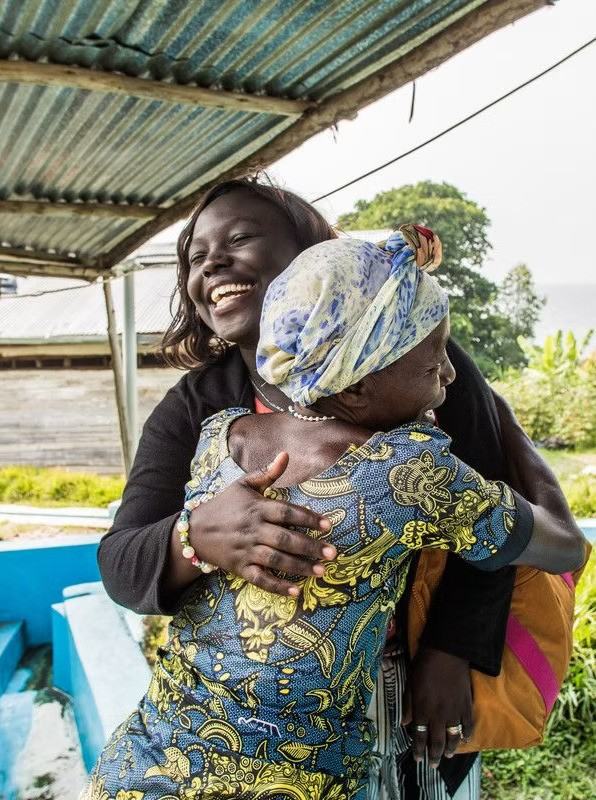
In 2013, Marceline founded by RWH, inspired by her mother. Rebuild Women’s Hope
Marcelline’s voice is one among many local women leaders in the DRC who are demanding a seat at the table not as a favor, but as a right.
“Please listen to us. Fund local women-led organizations. Hear our stories. We don’t want our children, our African children, to live the war we have lived,” she explains. “We want peace. We want prosperity. We want equality. And we want you to stand beside us.”
----
Fatma Jaffar was a former Local Humanitarian Leadership Policy Advisor at Oxfam International. She currently works with Oxfam in Yemen as their Advocacy, Campaigns & Media Manager.
 via feedly